Is It Time to Replace Your Garage Door Keypad? 5 Signs You Need an Upgrade
Your garage door opener’s keypad is a major player in your home’s security and convenience. When it malfunctions, it can compromise the safety of your belongings and loved ones. While troubleshooting can solve minor issues, keypads have a limited lifespan. At some point, a simple fix is no longer enough.
The good news? You don’t need to replace your entire garage door opener. Many universal garage door keypads work with existing door openers manufactured after 1993, making an upgrade affordable and straightforward. We’re here to help you move beyond the cycle of temporary solutions and determine when to replace your garage door keypad with a permanent, secure and reliable upgrade. Learn more about the definitive signs that your garage door keypad is past its prime and how a modern replacement can enhance your security, convenience and peace of mind.
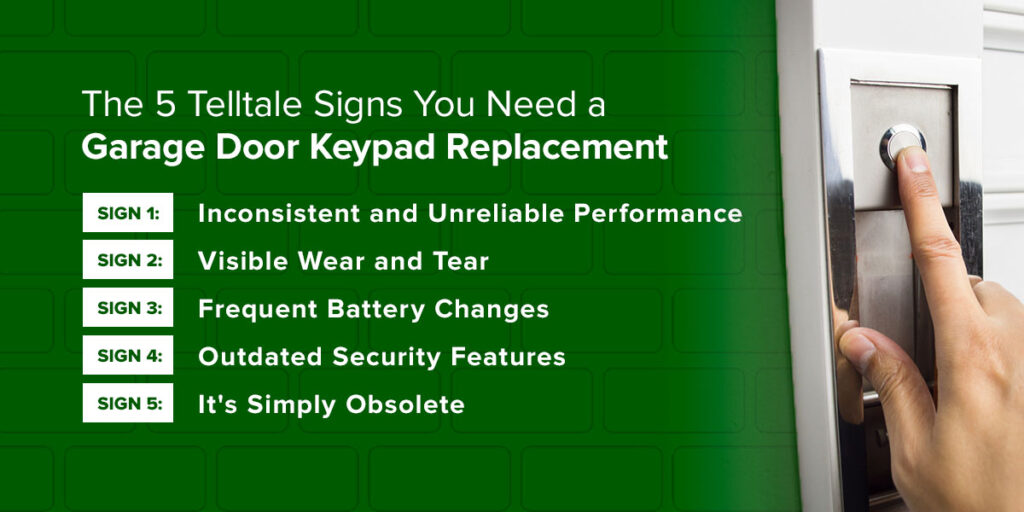
The 5 Telltale Signs You Need a Garage Door Keypad Replacement
As with most components, there will be key indicators to show you it’s time to replace the garage door keypad for your home. The most obvious signs are cracking of the housing, missing or faded buttons or physical damage to the unit itself. To avoid repeated failures and the security risks that come with an unreliable access system, look out for these signs.
Sign 1: Inconsistent and Unreliable Performance
Have you ever had to punch in your code multiple times before the opener responds? Perhaps it works perfectly on a sunny afternoon, but refuses to cooperate on a cold, damp morning. Maybe you have also tried reprogramming your opener, and it’s still being intermittent.
This “magic touch” problem, where the garage door keypad works sometimes, can be a sign of failing internal components, signal interference, loose wiring or programming issues. However, if you’ve already ruled out these culprits, you are likely dealing with an electronics failure.
The security implications of this unreliability are also significant. When you need to enter your code multiple times, you increase the likelihood that someone nearby will memorize your access code. When your keypad’s performance is a guessing game, it’s a clear signal that a replacement is necessary to restore reliable, secure access.
Sign 2: Visible Wear and Tear
Cracked casings, water damage and stuck or faded buttons are clear signs that the integrity of your keypad is compromised. These breaches can allow rain and moisture to penetrate, leading to the corrosion of the circuit boards and other electronic components, which may result in electrical failure. Wear and tear can also cause frayed or loose wires, which can prevent an appropriate connection between the button and the circuit board, making the buttons unresponsive/sticky.
While you might be able to fix a loose wire, you can’t reverse the damage caused by moisture or years of physical degradation. If your keypad is battered and worn, it’s a safe bet that its internal components are in a similar state, making replacement the logical long-term solution.
Sign 3: Frequent Battery Changes
If you find yourself changing batteries more than once a year, this is not ideal. A well-functioning garage door keypad should run on a new battery for 12 months or longer, depending on usage. If the batteries drain fast, it indicates an internal issue that needs professional repair or replacement. The most common culprit is a faulty circuit drawing an excessive amount of power, even when the unit is not in use.
This problem gets worse over time, meaning you’ll find yourself replacing batteries more and more frequently. Eventually, the keypad may fail to work at all, even with fresh batteries. If your keypad has become a battery hog, it’s time to stop feeding its expensive habit and invest in a new, efficient model.
Sign 4: Outdated Security Features
Modern security threats are perhaps the most critical reason to consider an upgrade, especially if your keypad is more than 5-10 years old. Many older keypads operate on fixed-code technology, which transmits an unchanging code to your garage door opener every time you use it.
With an old model, thieves can use devices called “code grabbers” to intercept and record your signal from a distance, then replay it at any time to open your garage door and gain access to your property without leaving any sign of forced entry. Other external devices, such as universal garage door opener systems, can hack older keypads. These devices enable intruders to scan frequencies until they find the right option to open your garage door.
Modern keypad technology has evolved into smart devices that offer advanced security features, including rolling code technology and video monitoring. Rolling code technology generates a new, unique code with every use, making it virtually impossible for criminals to duplicate the signal. LiftMaster’s Security+ 2.0, for example, utilizes encryption algorithms to ensure access codes remain secure for long periods.
Sign 5: It’s Simply Obsolete
Like any electronic device, garage door keypads have a limited lifespan. Generally, if your keypad is 10-15 years old or more, it’s living on borrowed time, even if it seems to be working correctly for now. Manufacturers discontinue older lines, and the internal components are no longer in production. Replacement parts are often unavailable, so if a single part fails, you’ll have to replace the entire unit anyway.
Second, older units lack the features that have become standard in modern access systems. They lack the convenience of features like temporary guest codes, one-touch closing and integration with smart home systems. When a keypad is old, it can end up costing you more to continue troubleshooting an aging device that may fail at any moment. Ultimately, it is a better deal to invest in a modern replacement that offers reliability, security and convenience.

The Benefits of a Modern Garage Door Keypad
As technology evolves, wireless keypads are a necessity for many homes. Parents can use the keypad as a substitute for handing house keys to their kids. A modern garage door keypad upgrade offers tangible benefits that go far beyond simply fixing what’s broken.
Superior Security and Peace of Mind
Modern keypads have advanced security features to protect against hacking. Rolling code technology generates new encrypted access codes for each operation, preventing unauthorized duplication or interception by potential intruders. This level of security is a game-changer for homeowners and business owners who want genuine peace of mind. Some modern keypads even offer fingerprint access as an additional security layer. This biometric technology ensures only authorized individuals can access your garage, eliminating the risk of someone guessing or stealing your PIN.
Activity logging is another valuable security feature. Modern keypads can record keypad usage with timestamps and user identification, allowing you to see exactly who accessed your garage and when. These logs are particularly valuable for business owners or homeowners with multiple family members or service providers needing access.
Modern Convenience Features
Modern keypads offer convenience features that were not available a decade ago, including:
- Guest codes: Temporary access codes allow you to grant limited-time access to service providers, guests or delivery personnel without sharing your main access code.
- One-touch closing: One-touch closing simplifies your daily routine. Instead of entering a code to open and close your garage, you can program a single button press to handle both functions.
- Backlighting: Backlit buttons make your keypad easier to use, especially in shaded areas or at night.
- Smart home integration: Modern keypads can sync with smart home systems and smartphone apps through myQ connectivity. You can open the door for a delivery directly from your phone, check to see if you’ve remembered to close it and receive alerts about all garage door activity right on your phone.
Weather Resistance
Pennsylvania’s climate subjects outdoor keypads to extreme temperatures, humidity and seasonal changes that can compromise performance and longevity. Modern units are constructed with superior, UV-resistant materials that prevent the cracking and fading seen in older models.
The internal electronics are better sealed and protected against moisture and humidity, providing reliable performance through every season. Modern keypads are designed to withstand the elements, featuring weather-resistant casings that prevent moisture intrusion and corrosion. These protective features result in fewer repairs, fewer battery changes and fewer frustrations throughout the unit’s lifespan.
How to Choose a New Garage Door Keypad
Here are the key factors to consider when choosing a new keypad for your home or business.
Compatibility
Check your opener’s age and model number. Most modern keypads are compatible with openers manufactured after 1993. Cornwell Door Service can help you identify your system and recommend compatible options. Universal keypads can be used with openers from various manufacturers, including LiftMaster and Chamberlain.
Durability
Keypads rated for outdoor use can withstand extreme temperatures and provide the longevity you need. Look for keypads with the following durability features:
- Sealed electrical components.
- UV-resistant materials.
- Protective covers.
- Corrosion-resistant hardware.
Security Features
A garage keypad with rolling code technology should be at the top of your priority list. Look for keypads that mention Security+ 2.0 or similar advanced encryption protocols. These systems use sophisticated algorithms to keep access codes secure. Beyond the basics, several advanced features can enhance your keypad’s functionality, such as:
- Biometric fingerprint readers.
- Built-in cameras.
- Low battery indicator light.
- Multiple user codes.
At Cornwell Door Service, we offer a consultation service to evaluate your property’s specific access patterns and vulnerability factors and recommend security features that provide optimal protection.
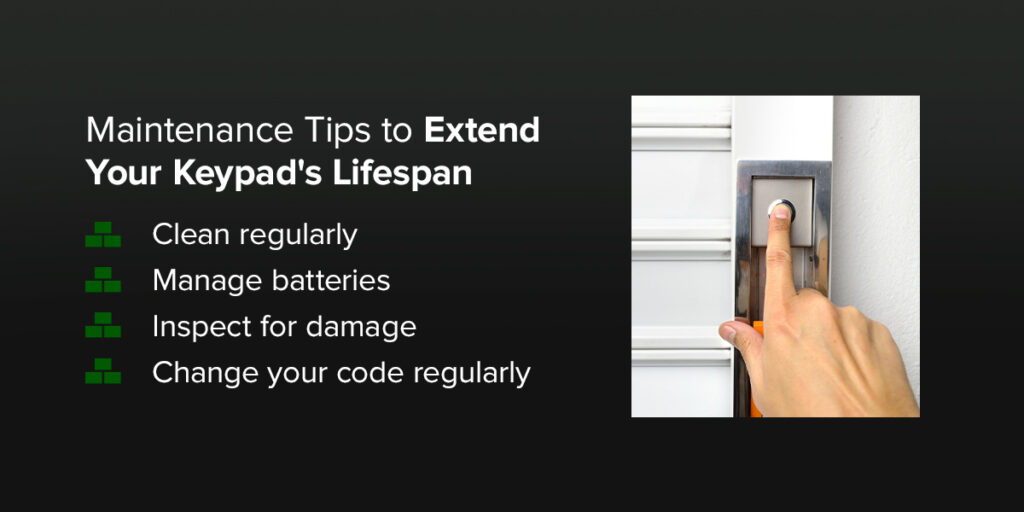
Maintenance Tips to Extend Your Keypad’s Lifespan
A new keypad is an investment, and regular preventive maintenance of your keypad and garage door opener system can help prevent common issues, keeping your keypad functioning optimally for years. In addition to having annual professional inspections, you can perform the following maintenance tasks:
- Clean regularly: Wiping the keypad with a soft cloth and an alcohol-based solution removes dirt, oils and debris. Gently wipe between buttons, but avoid harsh chemicals or high-pressure water.
- Manage batteries: Keep backup batteries on hand and replace them before your keypad stops responding.
- Inspect for damage: Check the battery compartment, wiring and motor unit regularly for cracks, loose screws, condensation or rust. Even small cracks can allow moisture to penetrate and cause internal damage.
- Change your code regularly: Update the code frequently so that it’s not obvious which buttons are pressed often. This practice enhances security and allows you to test all buttons for responsiveness.
When maintenance becomes frequent or problems persist despite your efforts, it’s time to replace the keypad. A new keypad is a small investment compared to the frustration and security risks of a failing unit.
Could the Problem Be the Opener Itself?
While the keypad can be the point of failure in some situations, it’s essential to acknowledge that it isn’t always the culprit. Before you commit to a keypad replacement, consider whether the issue might lie elsewhere in your garage door system. In some cases, the root of the problem may lie with the garage door opener unit itself.
The symptoms can be deceptively similar. An issue with the opener’s internal logic board or its receiver can interfere with the signal sent by the keypad, leading to intermittent operation. The problem could also be the opener’s power supply or frayed wiring connecting the wall-mounted control panel to the opener motor.
If you’ve worked through the troubleshooting steps and replaced your keypad but still experience issues, it’s time to call in the professionals. The opener’s logic board is a complex component, and attempting to diagnose or repair it without the proper tools and professional knowledge can cause injury, further damage or void your warranty. A qualified technician can run diagnostic tests to pinpoint the source of the problem and recommend the best solution.

Your Local Experts for Garage Door Keypad Replacement in South Central PA
While troubleshooting is a good first step, continuing to rely on a failing keypad is frustrating and a risk to your security. The decision to replace your garage door keypad is an investment in your home’s security, convenience and reliability.
Cornwell Door Service helps homeowners and businesses make this transition. We evaluate your property’s access patterns and vulnerability factors to recommend security features that provide optimal protection. We sell and install weatherproof and long-lasting LiftMaster® wireless keypads for reliable performance.
Ready for an upgrade or still having trouble with your garage access? Explore our garage door openers and accessories or contact us to schedule service today. You can also call us at 844-822-0440 to discuss garage door keypad replacement in Lancaster and the surrounding areas. The experts at Cornwell Door Service can diagnose the problem and install a modern, secure keypad for your home or business.
How to Choose the Right Garage Door Opener: A Comprehensive Guide
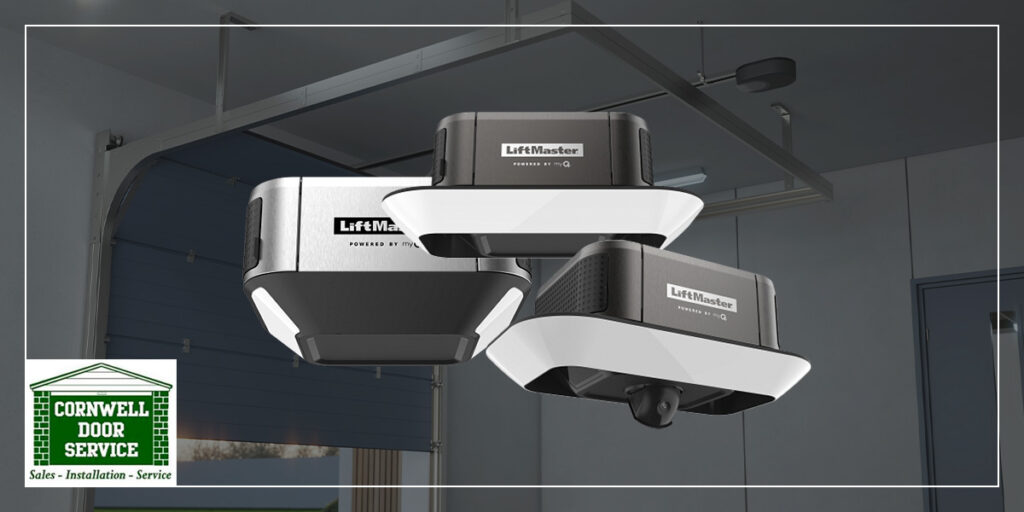
The right garage door opener can make all the difference for your home. Depending on the opener you choose, you can enhance your security, enjoy a quieter system, take advantage of safety features and even increase your convenience with smartphone integration.
Our comprehensive guide on how to choose a garage door opener will help you make an informed decision that factors in your security, safety and convenience. Whether you’re looking to replace your entire garage door system or simply want to explore new garage door openers that suit you better, this guide will give you the insights you need. It dives into the various kinds of garage door openers and what to consider when browsing different options.
Different Types of Garage Door Openers
With several varieties of garage door openers for sale, you can create a custom system that suits your requirements, from noise levels to integrated features. Here are the primary types of garage door openers to choose from.
Chain Drive Openers
With a chain drive mechanism, the garage door lifts up and down thanks to a chain-running assembly connected to the tension springs.
Chain drives are the most affordable type of garage door opener. They are durable, strong and reliable, which makes them one of the best openers for heavy garage doors.
If you don’t mind louder operation, chain drives can be an excellent heavy-duty choice for most types of garage door systems. If a quieter operation is important to you, chain drive openers can still be a good option for detached garages. They are also an ideal choice if budget is your priority.
Belt Drive Openers
Belt drive openers have durable, reinforced belts made of rubber or similar material that move along the tracks to open and close the garage door. Belt drive openers move smoothly, operating much more quietly than chain drive openers. These openers are also more expensive than chain drives. However, the smoother, quieter performance makes them a worthwhile investment for many homeowners, especially those with attached garages.
Direct Drive or Jackshaft Openers
Direct drive or jackshaft openers work quite differently from chain and belt drive openers. With jackshaft openers, the motor — which is mounted on the side of the garage door instead of above it — directly turns the torsion bar and spring instead of pulling and pushing on the top of the door to open it.
Since the motor is mounted on the wall, this type of opener is a space-saving option with ultra-quiet operation. Jackshafts are reliable garage door openers that often have advanced security features and a streamlined design. They do cost more than chain and belt drive openers, so the decision might come down to your budget and priorities.
A jackshaft opener can be a great choice for your home if you have a garage with low ceilings or if you need your garage space for additional features or functions. It’s also ideal if quiet operations are your main concern.
Smart Garage Door Openers
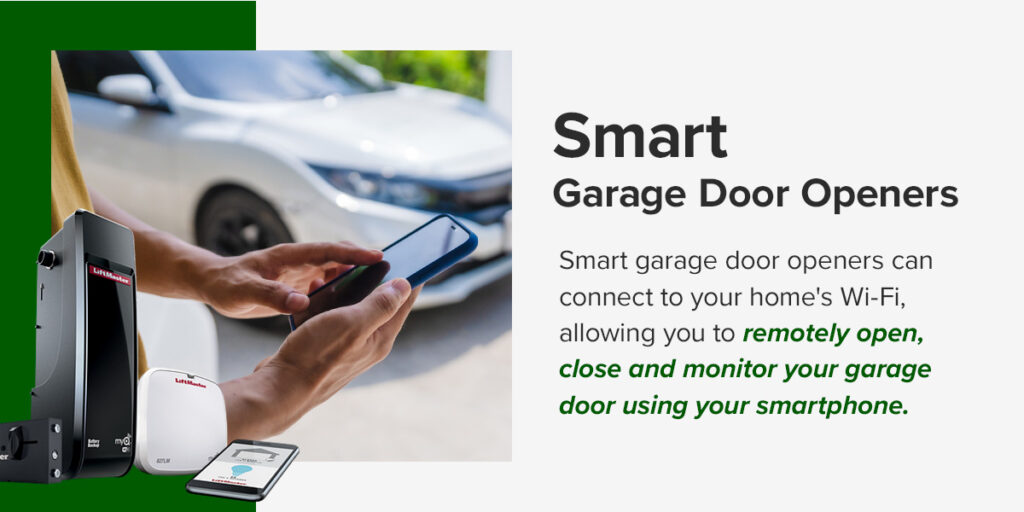
Smart garage door openers are not technically a type of opener in the way chain, belt or direct drive openers are. Any of those types can be smart openers if they’re integrated with technology that offers enhanced safety, security and convenience. Smart garage door openers can connect to your home’s Wi-Fi, allowing you to remotely open, close and monitor your garage door using your smartphone. This functionality is especially convenient with a wifi garage door opener, as it eliminates the need for physical keys or remotes.
What to Consider When Buying a Garage Door Opener
As you shop for a new opener, consider the standard for standard garage door opener features like battery backup, keyless entry and safety sensors. You can consider these elements and more when exploring how to pick a garage door opener:
- Garage door weight and size: Heavier garage doors need especially durable, reliable openers. The LiftMaster 8500W is a top-of-the-line jackshaft opener that suits heavy doors with high lift exceptionally well. The LiftMaster 84505R is a powerful belt drive opener that also supports heavy doors.
- Noise levels: Some garage door openers operate more loudly than others. Noise levels are an important consideration if you’re sensitive to sound, if you need to be mindful of neighbors or if you have an attached garage door.
- Security and safety features: Your garage door opener should protect your home and family. Look for safety features like photo-eye sensors that prevent the garage door from opening or closing when there’s a person or other obstruction in the way. You can also look for openers with security features, such as rolling code — this option generates secure new codes each time you need to open your garage door.
- Cost-effectiveness: Garage door openers are available at a wide range of price points. It’s vital to explore openers that meet your budget without sacrificing quality.
- Ease of use and maintenance needs: Your opener should be easy enough for you to use and maintain for as long as you have it. It can be a game-changer to find a garage door opener you can easily program and know how to troubleshoot.
- Space requirements: Each garage has different space requirements. If you have doors that lift high or overhead storage, then a side-mounted direct driver is the best option. However, if you have posts or a layout that makes a side mount challenging, chain and belt drives are the right choice.
- Technological compatibility and features: Most modern garage door openers have integrated technology that allows you to connect your opener to your smart home devices and smartphone apps. It may be time to replace your garage door opener if it’s outdated and incompatible with these features.
Why Trust Us?
At Cornwell Door Service, we have been a family-owned and operated overhead door company since 1972. For over four decades, we have provided quality residential and commercial garage doors and garage door openers and have gone above and beyond to provide excellent service to our customers in Lebanon, Harrisburg, Camp Hill and beyond.
Our staff has more than 200 years of combined experience in providing the highest levels of service with the utmost integrity. You can rely on us for a range of garage door products and services, including sales, repairs, maintenance, emergency service, and installations and replacements.
Find the Right Garage Door Opener for Your Home
The right garage door opener is key to having a system that operates according to your unique needs and preferences. You can trust Cornwell Door Service for quality garage doors, garage door openers and garage door services. We have an experienced team of experts and technicians who can help you choose and implement the right garage door opener and ensure your system works smoothly and securely. Feel free to explore the range of residential garage door openers we carry or contact us today to request an estimate.
Smart Garage Door Openers: How Technology Is Changing the Way We Use Our Garages
We live in a time where technology is embedded in different aspects of life, making things more convenient. Many households now leverage smart technologies through various devices to automate and simplify daily activities. One of the areas enjoying rapid advancements is the garage, and that’s due to the rise of smart home garage doors.
Smart garage doors feature modern upgrades and technologies that improve operation, monitoring and security. At the heart of these features are smart openers, which transform garage doors into intuitive devices.
What Are Smart Garage Door Openers?
A smart garage door opener uses Wi-Fi and sometimes Bluetooth to close, open, lock and monitor the garage door. It’s different from traditional openers that rely on a hand-held remote control device, which you must keep close to the door to operate. With a smart system, all you need to do is connect the opener to your home internet or to a central hub that facilitates the connection for you.
The latest openers are equipped with applications that let homeowners operate their garage door even when they’re away from home through the use of a smartphone or similar device. You can also integrate some smart control apps with virtual assistants or vehicles with smart features for hands-free operation.
Benefits of Smart Garage Door Openers
Investing in a smart garage door opener is a sound move for homeowners looking for convenience and better functionality. Consider the following smart garage door opener benefits if you’re in the market for an upgrade:
Wi-Fi Operation
Top opener brands have apps that allow you to add the opener to your home network’s list for wireless operation.
Modern LiftMaster® openers come with a built-in smart technology called myQ® Connectivity that offers remote access, so you can open and close the garage door from anywhere you have a stable connection. MyQ® lets you control the garage door via the myQ® smart home app, which you can install on your smartphone, tablet, vehicle console or smart hub. You can also choose to share control with other authorized users.
The app sends real-time activity alerts that you can act upon immediately. It also lets you schedule when the door opens and closes each day. These conveniences, which you can enjoy with the touch of a button, make it easy to control who comes and goes through your garage at all times — from loved ones and pet sitters to delivery workers.
Smart Home System Integration
With a smart garage door opener, convenience doesn’t stop with pressing buttons. Connecting your opener’s smart app to your smart home system lets you operate the door hands-free using voice commands.
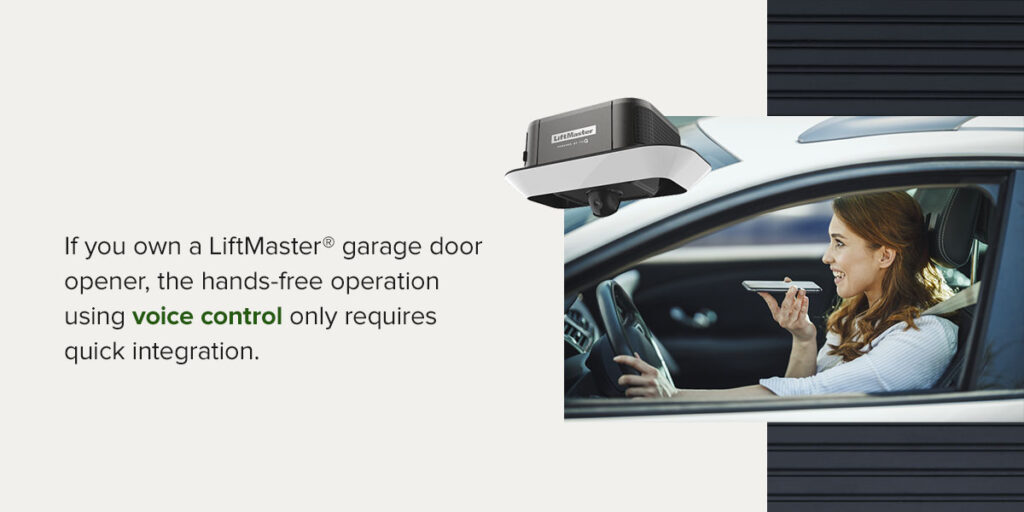
If you own a LiftMaster® garage door opener, the hands-free operation using voice control only requires quick integration. Once you connect your opener to your home Wi-Fi and enable smart operation, you can enjoy the added perks of artificial intelligence and virtual assistants. Here are the steps to follow for your myQ® setup:
- Download and install myQ®: Download the app to your smartphone or tablet and set up your myQ® account. Open the app and add a new device as the garage door opener with Wi-Fi.
- Follow the prompts: Select your wall control switch type and press the learn button once on your garage door opener to put it on Wi-Fi mode. Once you hear a beeping sound, click next on the app. You will see your garage door opener appear on your home Wi-Fi list. Select your opener and choose your Wi-Fi connection on the next screen.
Security
One of the key benefits of a smart garage door opener is the extra layer of security. The use of an app to fully operate the door grants you more control while limiting access when necessary. These features help make smart garage openers a good investment in home security:
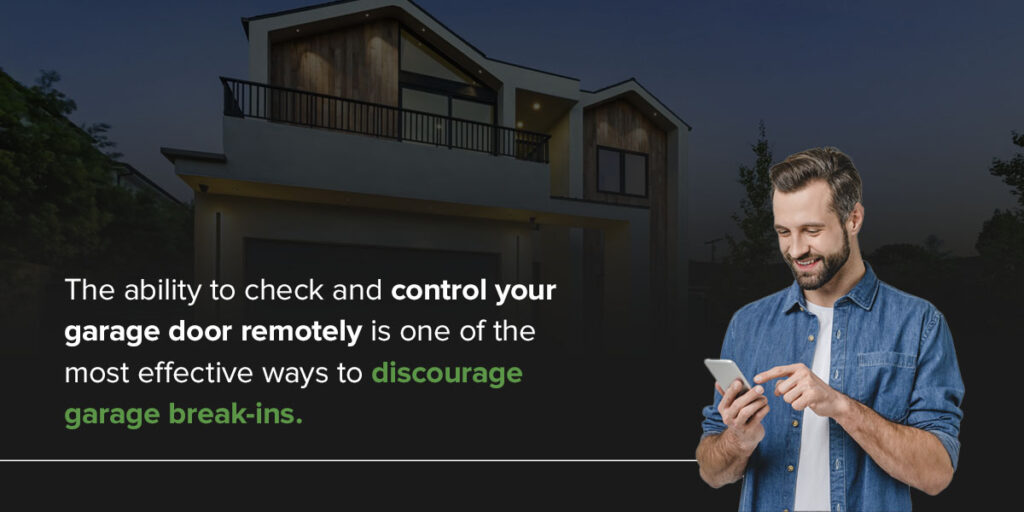
- Remote monitoring: The ability to check and control your garage door remotely is one of the most effective ways to discourage garage break-ins. To ensure real-time monitoring, smart openers send you instant alerts notifying you of your garage door’s status.
Automation: You can program your Wi-Fi-enabled opener to open and close at specific times, ensuring the door is secure and removing the vulnerability that comes with forgetting.
Temporary access: Smart openers also let you create temporary access codes for guests and service providers.
Programmable lights: Some smart garage door openers have programmable lights that you can schedule to turn on and off at different times of the day. This feature contributes to your garage door security by improving lighting and maintaining a home routine that discourages intruders.
Energy Efficiency
If you forget to close your garage door after leaving for the day, you risk wasting a lot of energy if your garage is climate-controlled. This is an easy fix with a smart opener — simply close the door with the touch of a button on your connected device.
Garage Door Diagnostics
If you’ve struggled with getting your garage door to close or open, you know how frustrating it can be trying to figure out what’s wrong. Select LiftMaster® and Chamberlain models connected to the myQ® app have a myQ Diagnostics® feature to help you troubleshoot and monitor the door’s status.
With error code notifications, you won’t have to guess what the issue is. You’ll know if it’s an easy fix or an issue that requires professional assistance. MyQ Diagnostics® also lets you add a connected dealer to your account and send them health reports for easier diagnosis. If you’re wondering which openers are compatible with myQ Diagnostics®, look for a label on your LiftMaster® opener that says Wi-Fi® or Powered by myQ®.
Garage Door Opener Installation
Like the door itself, opener installation requires professional installation to ensure safety and correct functionality. Garage door opener installation requirements vary based on factors like:
- Opener type: Openers can have one of several types of drive systems, such as belt drive and chain drive, that change the installation process. They also differ based on mounting options, such as overhead mounting and side mounting.
- Garage door type: Garages that have obstacles in the opener mounting area, such as piping and vents, require expert attention for proper installation that won’t disrupt the sensor and connectivity paths. Size is also a factor — heavier doors must have enough power for proper function.
- Electrical connection: Opener installation requires a proper connection to the power source. To ensure safety, an expert should handle electrical connections.
Maintenance Tips for Garage Door Openers
While openers are separate devices, they are still a part of your garage door system and have overlapping maintenance needs. Your door’s performance affects your opener’s functionality and service life. For example, keeping the door well-balanced ensures that the opener doesn’t strain when lifting and lowering the door. Some of your door’s moving parts also require regular cleaning and light lubrication.
Remember, your opener is a complex device that lifts the extreme weight of your garage door. To prevent the possibility of serious injuries, it’s best to bring in a trained technician to handle maintenance needs. That said, here are standard maintenance tips you can do in between scheduled maintenance to improve the life span of your smart garage door opener:
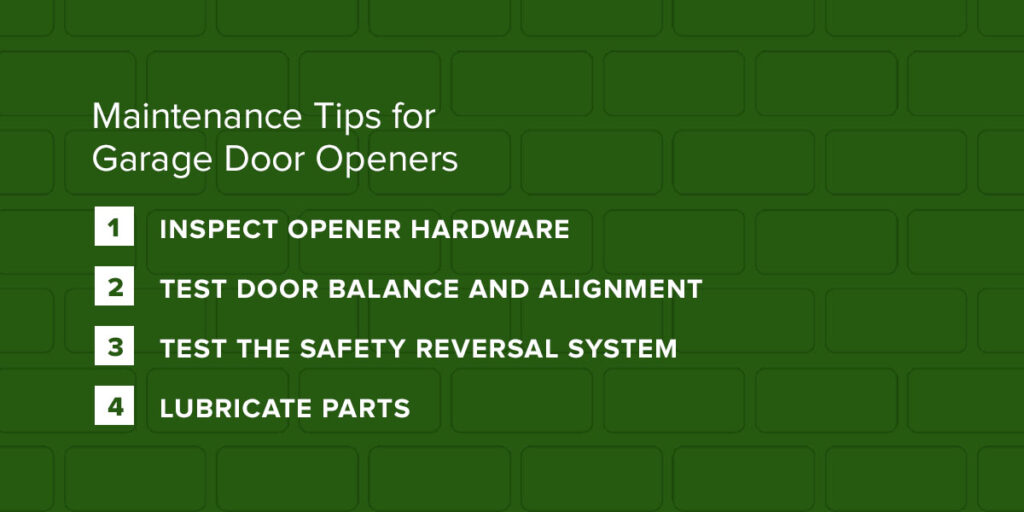
1. Inspect Opener Hardware
Perform a visual inspection periodically for signs of wear and tear on your opener. If components look worn and rusty, it’s time to replace the device. You also want to pay attention to nonvisual signs like the opener struggling to lift the door or producing unusual sounds.
2. Test Door Balance and Alignment
You should test your garage door’s balance and alignment once a month to help identify and correct misalignment, which causes stress on the opener. Disengage the door from the opener using the emergency release cord and try to raise and lower the door by hand. Close it halfway to see if it remains in place. If the door is hard to handle or moves from the halfway position, call a technician to correct the misalignment.
3. Test the Safety Reversal System
Garage opener technology comes with a safety reversal system designed to prevent the door from closing onto obstacles like vehicles, people and pets. Running a monthly test to ensure the auto-reverse feature works properly is good maintenance practice. Keep in mind that sectional doors have limit adjustments for how far the opener drops and lifts the door. Check with a professional to verify that the limits are correct before running the auto-reverse test.
Open the door fully and place a piece of two-by-four on the floor in the direct path of the door. Press the close button with the obstruction in place to see if the door reverses once it touches the piece of wood. If it doesn’t, call in a professional to inspect the door’s condition and the opener’s limit adjustment.
4. Lubricate Parts
Lubricate moving parts of your garage once a year using a silicone or white lithium lubricant. Apply the lubricant to rollers, hinges and bearings to help the door slide with ease and reduce stress on the opener. Once a year or two years, wipe away existing lubricant from your garage door opener rail and lightly reapply. Avoid oil-based lubricants because they attract dirt.
Future Trends in Smart Garage Technology
Garage door technology is constantly evolving due to rapid advancements in the industry. We’ve witnessed the rise of automation, Wi-Fi-enabled smart openers, energy efficiency and improved security in 2025 garage door trends. The future looks promising as manufacturers adapt to consumer needs, expanding on many of the current features. Here are some of the key future trends to look forward to:
Enhanced Opener Security
Current opener technology can improve your garage security through real-time alerts and increased control. You can tell if the garage door is open or closed and deter unauthorized access from afar. Some of today’s openers are even equipped with motion-detection lights for added protection and visibility. Future openers will likely be equipped with smarter, more intuitive security options.
Smart Home Integration
Some garage door openers already integrate with smart home systems. You can expect even deeper integration in the future, ensuring more diverse support with smart devices. Vehicle-to-garage communication is a good example. With applications like Homelink, you can pair your car with your opener the same way you do with a remote and operate the door using your car.
The expansion of smart home integration will lead to better interconnection. Many vehicle manufacturers are directly incorporating virtual assistants in their newer vehicles. This will mean you can use virtual assistants across all your devices, including your vehicle and opener, for a more seamless experience.
Sustainability and Energy Efficiency
Some of the best features of smart garage door systems are sustainability and energy efficiency. Modern garage doors use advanced insulation materials to improve insulation and lower heating and cooling costs.
With the future leaning toward sustainability, the latest technologies, like DC-powered openers, are set to become more widespread. Unlike traditional openers that use AC currents, DC openers have variable speed control that may help reduce overall energy consumption.
Smart Garage Door Openers From Cornwell Door Service
Upgrading your existing garage door opener to a smart opener exposes you to a range of advanced features that are not possible with older models. But how do you settle on a top-quality smart garage door opener, considering there are plenty of options on the market? That’s where Cornwell Door Service comes in. We are a premier garage door company serving homeowners and businesses across South Central Pennsylvania.
Our residential garage door opener product line features top-of-the-line models from LiftMaster®, an industry-leading brand. Here are some of the smart garage door openers we offer:
- LiftMaster 83650-267: A top-level chain drive smart opener with Wi-Fi, Bluetooth and myQ® solutions
- LiftMaster 84504R: An ultra-quiet belt drive opener with diverse smart features like Wi-Fi, myQ®, camera and bright LED lights
- LiftMaster 8500W: A heavy-duty wall-mounted opener with smart features like Wi-Fi, myQ® and HomeLink®
- LiftMaster 85870: A heavy-duty ¾ HP AC Motor Chain Drive opener with Wi-Fi and myQ® solutions
- LiftMaster 87504-267: An ultra-quiet belt drive opener with a 360° LED motion detection light ring, Wi-Fi connectivity and myQ®
Request an Estimate From Cornwell Door
Cornwell Door Service is your go-to expert for all things garage doors, whether you need to install a new garage door, repair an existing one or upgrade to the latest smart opener technology. We have been in business for over four decades, establishing ourselves through quality and excellence. Request an estimate on your smart garage door opener today!
Request Estimate Request Service
How to Program Your Garage Door Opener
Programming your garage door opener can seem challenging, but it becomes a straightforward process with the proper guidance and information. Discover how to program your Liftmaster garage door opener with easy-to-follow steps. Whether setting up a new system or reprogramming an existing one, this guide will help you get your garage door working smoothly in no time.
What You Need to Program Your Garage Door Opener
You’ll need to gather a few essential items to program a garage door opener like the Liftmaster. Ensure you have a sturdy ladder and potentially someone to steady it so you can safely reach the opener, which is typically mounted on the ceiling. You’ll also need the remote control and access to the keypad you plan to program.
Having the user manual for your specific Liftmaster model on hand is also beneficial, as it contains useful information, detailed instructions and troubleshooting tips. If your garage is dimly lit or you are working at night, a flashlight will be helpful to see what you are doing.
With these items ready, you’ll be well-prepared to program your garage door opener efficiently and safely, especially after reading the guidelines below.
Programming Your Garage Door Opener and Remote
Liftmaster garage door opener programming is a straightforward process you can complete in just a few simple steps. These steps will guide you through each action, from locating the necessary buttons to testing your remote control.
1. Find the Learn Button
To program your garage door opener, the first step is to find the Learn button on the Liftmaster unit. You can typically find this button near the antenna wire on the side or rear of the motor unit. The unit’s light lens or a small panel will likely cover it. Depending on the model, the Learn button can be in various colors, such as red, orange, yellow, purple or green.
2. Press the Learn Button
Once you have located the Learn button, press and release it. Doing this will activate the programming mode. An indicator light will turn on or start blinking, signaling the unit is ready to receive a new code. Move on to the next step within 30 seconds after having pressed it to ensure the programming mode remains active. Otherwise, you will need to start the process over.
3. Program the Remote Control
With the Learn button activated, take your remote control and press the button you would like to program. Keep the button held down until the motor unit’s indicator light blinks or turns off, usually taking a few seconds. This indicates that you have successfully paired the remote control with the garage door opener.
4. Test Remote Control Functions
Once you have programmed the remote, it is essential to test it to be sure it works correctly. Be sure to stand away from the garage door and press the button you have programmed on the remote. Once pressed, the garage door should then begin opening or closing. If the door does not move, go through the steps to program it again to make sure the remote is paired correctly with the opener. If you’re unable to pair your remote and opener, Cornwell Door Service can help.
5. Repeat for Additional Remotes
If you want to program additional remotes, go through the steps above for each. Remember to press the Learn button on the motor unit before programming each new remote. This will allow you to open and close your garage door using multiple remotes, providing convenience and flexibility for all household members.
Programming Your Garage Door Keypad
Programming a garage door keypad allows you to open and close your garage door without needing a remote control. This is incredibly convenient for families, as it provides easy access for everyone without requiring additional devices. Below, we will guide you through the steps to program your keypad, ensuring it works seamlessly with your garage door opener.
1. Find the Learn Button on the Opener
To begin programming your garage door keypad, you must find the Learn button on your specific Liftmaster model. The Learn button is usually situated on the side or back of the motor unit and typically close to the opener’s antenna. It is generally colored red, orange, green, purple or yellow — this variation depends on your specific Liftmaster model.
2. Enter Your Desired PIN
Once you have found the Learn button, press and release it to activate the garage door’s programming mode. This is indicated by a blinking indicator light. On the keypad, enter the four-digit PIN you want to use, then press and hold down the Enter button until the indicator light on the garage motor unit blinks or turns off. This confirms that your PIN has been successfully programmed. Choose a PIN that is easy to remember but difficult for others to guess — avoid using your street number or something similar.
3. Test the Keypad
Once you have programmed the keypad, testing it to make sure it works correctly is crucial. Ensure you are out of the way of the garage door and enter your PIN into the keypad, followed by the Enter button. The garage door should then respond by either opening or closing. If it does not react, redo the programming steps to ensure the keypad is paired correctly with the opener. Consult your Liftmaster manual for specific troubleshooting tips, or contact the team at Cornwell Door Service for help.
4. Reprogramming or Changing the PIN
If you need to reprogram or change your PIN anytime, you can do so by following the same steps. Simply press the Learn button on the motor unit to enter programming mode, then enter your new PIN on the keypad, followed by the Enter button. This will overwrite the previous PIN and set the new one. Regularly updating your PIN can enhance the security of your garage door system — just remember to let everyone in your home know about the PIN change.
Get Help From the Experts at Cornwell Door Service
If you encounter any issues programming a garage door opener or keypad or have other issues with your garage door, don’t hesitate to contact the professionals at Cornwell Door Service. Our experienced technicians are ready to assist you with any garage door needs, ensuring your system operates smoothly and securely. Be sure to schedule a service appointment today or call us at 844-822-0440 with any garage door-related queries.
Trust Cornwell Door Service for reliable, expert solutions to keep your garage door in top condition. We are here to help you.
Signs You Need to Replace Your Garage Door Opener
The garage door opener makes your garage door system function at the touch of a button. If your opener isn’t working as expected, it may be time for a replacement. When you know the signs of a malfunctioning garage door opener, you can set up an appointment with a service professional right away to replace your unit before it breaks down.
The Importance of a Functioning Garage Door Opener
A functional garage door is a necessity for many homeowners, so it’s greatly missed when the opener stops working correctly. Installing a new garage door opener can offer many benefits, including:
- A convenient way to get in and out of your garage with minimal effort.
- Safe operation to prevent personal injury or property damage when using the garage door.
- Security for keeping your home and belongings safe from an intruder.
How to Tell You Need a Garage Door Opener Replacement
Your garage door may display the following symptoms if it needs to be replaced:
Garage Door Won’t Open or Close
If you press the button to open or close the door and it doesn’t move, your garage door opener is malfunctioning. In some cases, this problem may be fixed by replacing the batteries in your remotes, reconnecting the door to the garage door opener or removing blockages from the track.
Garage Door Opener Works Sporadically
A malfunctioning garage door opener works only when it wants to, which can be an annoying problem to deal with when you want to leave or enter your garage. The batteries or wiring could be the source of the problem, or it could mean your garage door opener needs to be replaced.
Garage Door Moves on Its Own
Does your garage door seem to have a mind of its own? A garage door that activates randomly is both a nuisance and a security issue. Circuit board damage or stuck buttons on the wall remote or panel can cause this issue.
Garage Door Reverses Direction
If your garage door opens or closes part or all of the way and then reverses itself, it could mean your photo safety eyes are misaligned, dirty or obstructed. It could also indicate faulty components or wiring. If your garage door is still acting up after you clean and realign the sensors, it could mean your garage door opener is irreparably damaged.
Garage Door Opener Moves Slowly
Garage door opener problems can cause the door to open slower than it should. Worn-out components and poor lubrication of the hinges, rollers and track could make an opener ineffective. This problem also surfaces when a garage door opener is near the end of its life span and needs replacement.
Garage Door Gets Stuck
Faulty garage door systems may get stuck and freeze before closing all the way. This garage door opener problem is concerning because it’s a safety hazard. Besides garage door opener malfunction, broken or bent rollers or tracks or fastener problems could cause a stuck garage door.
Garage Door Opener Makes Unusual Sounds
Is your garage door opener making sounds it’s never made before, like scraping or screeching? The strange sounds could mean the opener needs repair or replacement. If your opener is loud all the time, however, it could simply be due to its age — older garage door openers are more subject to motor strain, making it more difficult to open the door.
Garage Door Opener Is Old
The average life span of a garage door opener is 10 to 15 years. During this time, you’ve likely used the opener several times a day, resulting in thousands of cycles. This level of use and age can cause your opener to stop working. A repair may not be possible if the opener is obsolete.
Old garage door openers are likely to have outdated technology as well, which is easier for would-be criminals to compromise or gain access to your home. Newer openers will have safety features like photo safety eyes to prevent injuries and property damage.
How Much Does It Cost to Replace Your Garage Door Opener?
The cost of a garage door opener replacement from a professional can range from $218 to $525. This cost includes the price of the new opener, replacement parts, labor and removal of your old opener. Some factors that influence the price of a garage door opener installation are the:
- Brand and model of the new opener.
- Type of opener — screw, chain, belt, direct-drive or jackshaft.
- Horsepower rating of the opener, with a higher rating costing more.
- Type and number of remotes and keypads included.
- Cost of labor per hour, which can vary by region.
- Price of installing extra features like sensors, electrical wiring or a backup battery.
Who to Call When You Need to Replace Your Garage Door Opener
When you need your garage door opener replaced, it’s important to call a garage door service professional like Cornwell Door Service to do the job. Many homeowners are unaware of how hard it is to replace a garage door opener on their own. A DIY replacement can be dangerous, especially if you’re unsure how to complete it. A professional installation ensures the opener works properly and maximizes the life span of your new installation.

Contact Cornwell Door Service for Garage Door Opener Replacements in South Central Pennsylvania
Cornwell Door Service is a professional garage door opener repair company offering essential services like opener replacements. We work with residential and commercial customers in Camp Hill, Lebanon, Harrisburg and South Central, PA. Call 800-820-9841 or contact us online to schedule service today!
Frequently Asked Questions About Repairing or Replacing A Garage Door
How long does a garage door opener last?
A garage door opener typically lasts 10-15 years with regular use. This lifespan depends on the frequency of operation, maintenance, and quality of the opener, with most residential units completing thousands of cycles during their useful life.
Why does my garage door stop halfway up?
A garage door that stops halfway up is usually caused by misaligned safety sensors, track obstructions, worn-out components, or limit-setting issues. Check for misaligned, dirty, or obstructed photo safety eyes, debris in the track, and listen for unusual noises that might indicate mechanical problems requiring professional attention.
When should I replace my residential garage door opener?
Replace your residential garage door opener proactively rather than waiting for complete failure. Key indicators include age exceeding 10 years, inconsistent performance, unusual operation patterns, and outdated technology without modern safety features. Upgrading provides enhanced security, reliability, and smart home connectivity options not available in older models.
How to Deal With a Malfunctioning Garage Door Sensor
Is your garage door refusing to close, reversing without reason or just not working right? This is a frustrating and common problem, and the cause is often the small safety sensors located at the bottom of the garage door tracks that are not working properly.
These sensors are an important safety feature, but when they malfunction, they can bring your day to a halt. This guide will walk you through the common signs of a sensor issue, provide simple steps to fix it yourself and help you determine when it’s time to call a professional for a safe and reliable repair.
How Do Garage Door Sensors Work?
Before we talk about the reasons why it happens and how to fix a garage door sensor, let’s look at how garage door sensors work. The sensors of garage doors have two essential elements:
- The photo eye sensors: Garage door sensors operate using a photo-eye system. These infrared sensors are located on both sides of the garage door, positioned approximately two to six inches off the ground. The main function of the photo eyes is to prevent the door from closing if it detects a person or object in the way. This safety mechanism is a requirement outlined in Underwriter Laboratories (UL) 325 standards.
- Infrared beams: The photo eyes on either side of your door send an infrared beam to each other when the door is open and there is nothing blocking it. The door will only close if the beam remains uninterrupted. But if a person, an animal or a bike is in the way and the beam is interrupted or blocked, the door will not close but will reopen.
Signs Your Garage Door Sensor Is Malfunctioning
Before you start troubleshooting, let’s confirm that the sensors are the likely culprit. Here are the most common signs your garage door sensor is not working:
- The garage door starts to close, but then reverses and opens again.
- The main light on your garage door opener motor is blinking.
- The LED lights on the sensors themselves are off, flashing or solid red.
- You can only close the door by holding down the wall-mounted button.
A Quick Guide to Fixing Your Garage Door Sensors
In some cases, you can resolve sensor issues in just a few minutes with these simple diagnostic steps:
1. Check for Obstructions and Clean the Lenses
First, ensure nothing is blocking the path between the two sensors. Remove any boxes, tools or debris. The photo eyes are very small and get dirty easily over time. Use a soft, microfiber cloth to gently wipe away dirt, dust, cobwebs or residue from the surface of the eye. It is critical to avoid using harsh chemicals, glass cleaners or abrasive materials, as these can permanently scratch or damage the delicate lenses. In cold weather, condensation can also fog the lenses, so be sure to wipe them dry.
2. Verify the Sensor Alignment
Misaligned photo eyes are another reason for malfunctioning garage door sensors. Here are some tips on how to align your sensors:
- Turn off the power to your garage to avoid electrical hazards.
- Gently loosen the sensor brackets without removing the screws
- Attach a string to each sensor and adjust the sensor’s position until they’re aligned.
- Tighten the mounting screws to secure it in place.
- Reconnect the garage power.
- If the sensors are aligned, the emitter will show a green light and the receiver will flash yellow.
If these steps don’t fix the alignment issues, reach out for professional garage door repairs.
3. Check for Sunlight Interference
If your garage door only seems to malfunction at certain times of the day, especially when the sun is low in the sky, you may be experiencing sunlight interference. Direct, bright sunlight shining into the receiving sensor’s lens can “blind” it, making the system think the infrared beam is broken.
A simple way to test this is to use your body to cast a shadow over the receiving sensor and see if the door closes normally. If this is the issue, ask your garage door installer about swapping the sender and receiver sensors. Alternatively, you can purchase inexpensive sun shields that fit over the sensors to block the ambient light.
4. The Final Confirmation
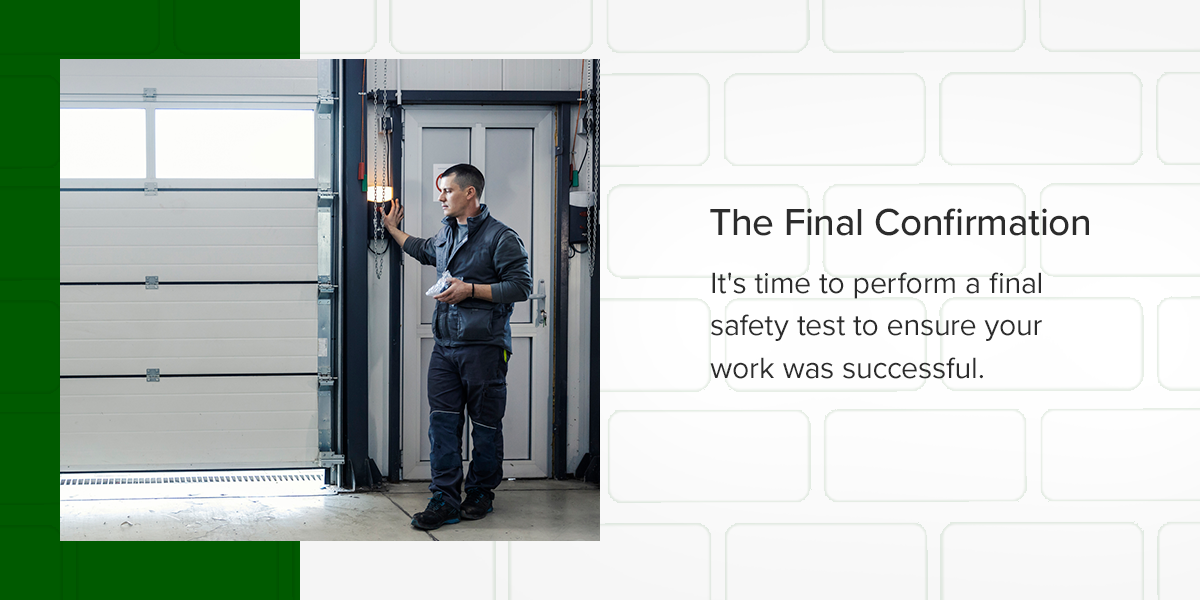
After you have cleaned the lenses and confirmed the alignment, it’s time to perform a final safety test to ensure your work was successful. Take a cardboard box — or a similar soft object you don’t mind getting squished — and put it in the garage doorway, directly in the path of the sensors.
If the garage sensor is working properly, the door will start to close, detect the box and immediately go back to the open position. This confirms the safety system is functioning as intended. If the door crushes the box, then your garage door sensor is still malfunctioning, indicating a more serious problem that requires professional attention.
When to Call a Professional for a Repair
If you’ve tried the steps above and the door still won’t close correctly, the problem likely goes beyond a simple fix. For your safety and to avoid causing more damage, it’s time to call an expert, especially if you notice any of the following:
- Damaged wires: You see frayed, chewed or cut wires leading to the sensors.
- No power to the sensors: The LED lights on the sensors remain off.
- Physical damage: The sensor itself or the mounting bracket is cracked, bent or appears damaged by water.
- The problem persists: You’ve cleaned and aligned the sensors, but the issue continues.
Anything involving electricity or wiring should always be left to a professional for safety reasons and because, if done incorrectly, further damage can occur. Our technicians at Cornwell Door Service know how to repair garage door sensors quickly and effectively.
Cornwell Door Service Can Help Fix Your Garage Door Problems
While some sensor issues are a quick fix, a malfunctioning garage door compromises the safety and security of your home. Don’t let a persistent sensor problem leave you stuck. For safe, reliable and professional garage door repair in the south-central Pennsylvania area, trust the expert team at Cornwell Door Service. Contact us today to have an experienced technician solve your garage door problems quickly and effectively.
Why Your Garage Door Springs Need to Be Replaced
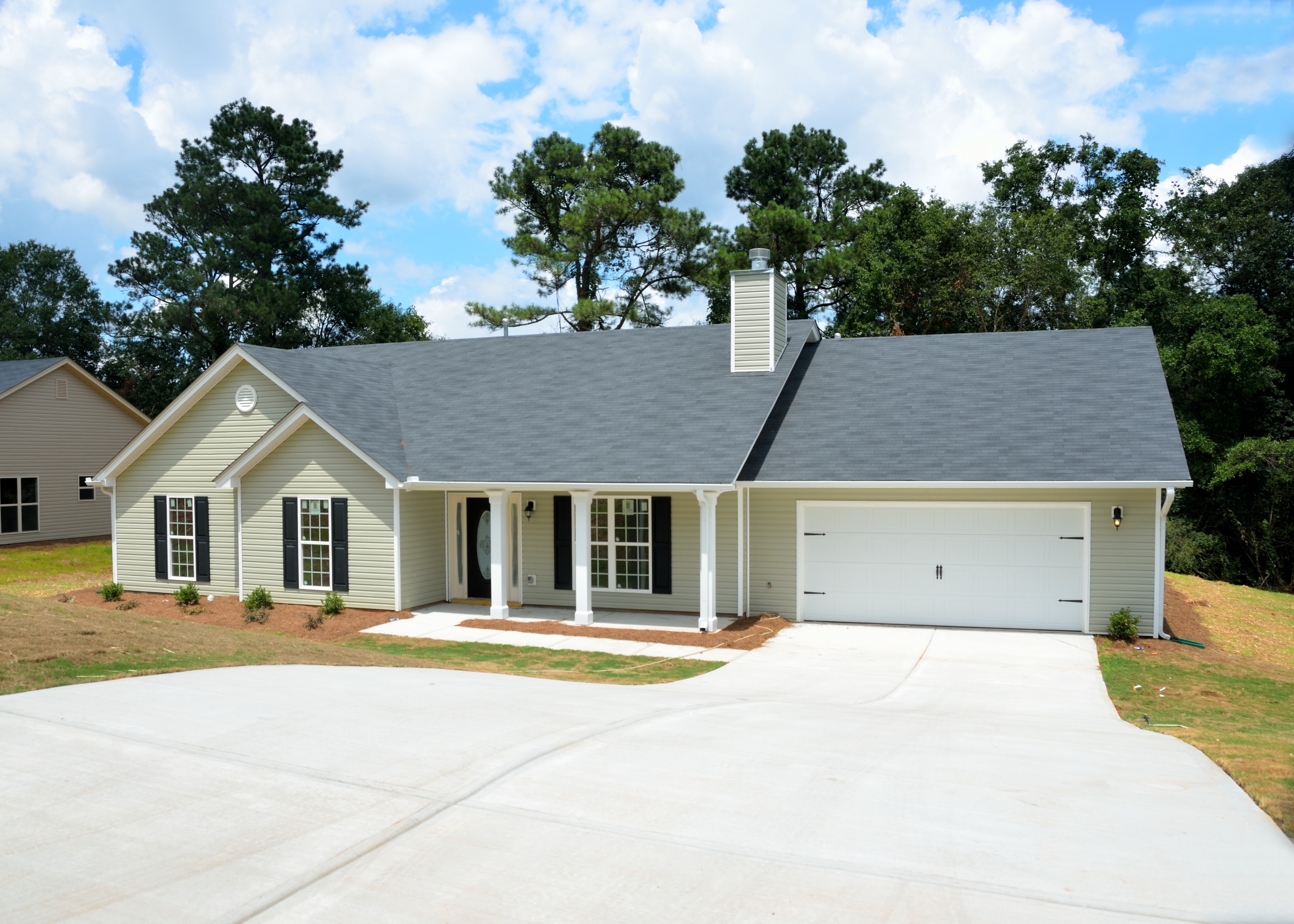
You finally did it — you renovated your house to get it to look the way you want. New windows, new gardening and a new garage door complement the colors and exterior façade of your house. But before you get everything all cleared away and call it a job well done, you should check in and consider replacing one small but crucial element: your garage door springs.
Why You Should Replace Your Garage Door Springs
Garage door springs are the force and mechanical energy responsible for lifting and lowering your garage door. You may think the motorized part of your automatic door does all the work, but it’s these springs that keep and distribute the tension. Without fully functioning springs, your garage door might not move at all and can get stuck, causing multiple safety concerns.
Here’s a fact about garage door springs: they need replacing about every seven years. A typical garage door spring will last about 10,000 cycles of lifting and lowering. If you consider that you probably open and close your garage door four times a day as you leave and return, those cycles can last about seven years.
However, with more and more people using garage doors as the main entry into their houses, it’s possible you’ll need a garage door replacement spring after just four years.
The Signs Your Garage Door Spring Needs to Be Replaced
Giving a thorough glance at the tension spring connected to your garage door will provide the information you need to determine if you require a replacement spring. Here are some common issues to look for:
- Loud or screeching noises — Unfamiliar noises can be more than a motor issue.
- An uneven door when lifting or lowering — If your door tilts at a slant, your spring needs to be rebalanced.
- Physical door damage — A substantial impact, such as hitting the garage door with your car, could knock your spring askew and cause an uneven lift.
- Rust and corrosion — Rust buildup will wear down the efficiency of the spring’s tension.
- Stretched-out spring coil — Gaps of two inches or more in a spring are evidence that your spring has gone through wear and tear and won’t perform accurately.
If you notice any of these issues from your overview, contact a professional immediately for garage door replacement spring service.
Allow a Professional to Replace Your Garage Door Springs
A professional technician and repair worker understands the tension, force and energy that can radiate from a functioning tension spring. When one breaks, the danger of loosening and replacing it increases. Rather than risk personal injury, a call to a certified and knowledgeable technician will save you a lot of money and time.
If you think your garage door spring may soon need replacing, contact Cornwell Door Service to schedule an appointment to replace your broken spring. We also encourage you to check out our 21-point preventative maintenance service, which provides you with an annual tune-up and a complete inspection of your entire garage door setup. Call us today at 717-273-9841!