Smart Garage Door Features Worth Paying For — A Pennsylvania Homeowner’s Guide
A 2024 survey reported a 47% adoption rate of smart home technology, reflecting homeowners’ increasing desire for features that deliver real security and convenience — not gimmicks. Fortunately, today’s smart garage door systems are far more capable than early versions, delivering security and convenience through practical features.
When you choose thoughtfully, they solve everyday problems — the nagging worry that you forgot to close the garage door on your commute, the vulnerability during winter power outages and the hassle of managing access for deliveries or service providers.
Core Smart Features
The following three smart garage door opener features are essential for Pennsylvania homeowners to consider. They address the nearly universal concerns and problems affecting many households.
1. The “Did I Leave the Door Open?” Solution
You’re halfway to work in Harrisburg when the thought hits you — did you remember to close your garage door? A smart garage door opener ends that moment of panic within seconds, as you can immediately see the door’s current status in its companion phone app.
Modern garage doors provide peace of mind through simple, reliable monitoring.
- Check status in real time: The app displays the door’s position the moment you open it.
- Control remotely from anywhere: If you forgot to close your garage door, you can do so from your phone, no matter where you are.
- Receive instant alerts: When the door’s status changes, you get a push notification so you know immediately if someone opens your garage while you’re away.
2. Two-Way Audio and Built-in Cameras
Many Pennsylvania homeowners use their garages as their primary entry point and first line of defense against home intruders. Upgrading to a LiftMaster smart opener equipped with a wide-angle camera and two-way audio will give you control, awareness and communications abilities that a standard opener can’t match.
Transform your garage into a monitored access point with these capabilities.
- Live video monitoring: Keep an eye on your property from anywhere by reviewing a real-time feed when someone approaches or opens the door.
- Two-way communication: Greet family members as they arrive home or speak directly to delivery drivers to ask them where to put your packages.
- Activity recording: The camera captures and stores footage, creating a visual log you can review if someone breaks into your home when you aren’t there.
3. Battery Backup
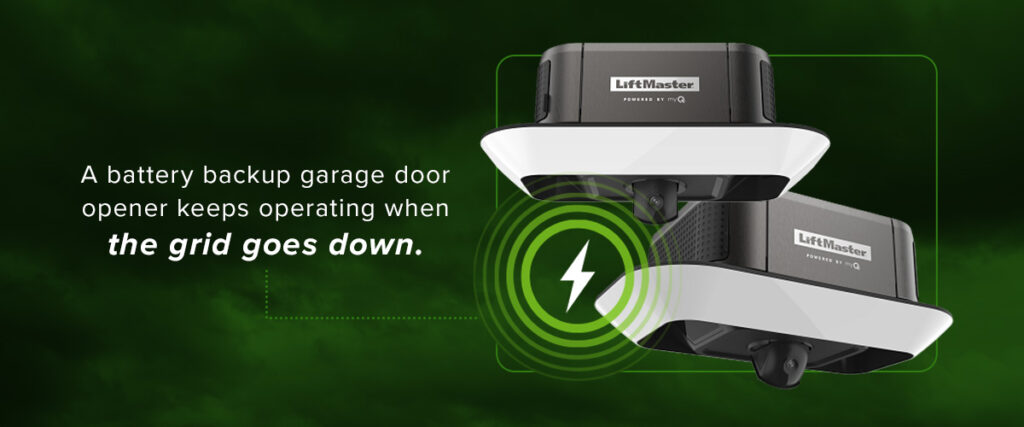
Extreme weather can knock out your power without warning. A battery backup garage door opener keeps operating when the grid goes down in Pennsylvania, allowing you to retain full functionality.
You can open and close the door using your remote or smartphone app just as you normally would, without struggling with the manual release in the dark or worrying about getting trapped inside or locked out. This feature is a must-have during harsh Pennsylvania winters.
Premium and Next-Level Smart Features
Once you’ve covered the essentials, the next tier of smart features adds convenience and home integration for tangible value that goes well beyond the basics.
In-Garage Delivery and Guest Access
Expecting a high-value item can be nerve-wracking when you aren’t around to take care of it right away. In-garage delivery solves this problem by offering multiple levels of controlled, verifiable access.
Services like Amazon Key let authorized drivers place deliveries directly inside your garage, even if you won’t be home for hours.
- One-time access codes: Grant temporary entry that expires automatically after use, ensuring drivers never get permanent access to your home.
- Video confirmation: The system captures footage of every delivery and sends you a notification with visual proof.
- Trackable guest access: Create time-limited codes for service providers, dog walkers or relatives, and revoke access instantly whenever needed.
Smart Home Integration
If you already have an ecosystem that responds to your routines and voice commands, you can add your Wi-Fi garage opener to it for additional convenience. This feature works best when exploring smart home platforms and compatibility options that align with devices you already own.
For example, integration with virtual assistants such as Amazon Alexa or Google Home unlocks hands-free control and automation.
- Voice commands: Ask your assistant to close the garage while you get ready for bed.
- Evening routines: A single “Goodnight” command closes the door, locks the house and turns off lights throughout your home.
- Morning automation: Program a wake-up routine that adjusts your thermostat while you get dressed and opens the door as you head to your car.
Geofencing
Geofencing is a location-based technology that uses your smartphone’s GPS to trigger specific actions. For instance, you can set it up so your garage door recognizes when you’re approaching your house and opens itself automatically — with no remote, keypad or delay.
It also works as a built‑in safety net. If you drive away and forget to close the door, geofencing can shut it for you. The system essentially creates an invisible perimeter around your property that responds whenever you enter or exit. You get hands-free entry, plus a reliable fail-safe that secures your property.
Are Smart Garage Door Openers Worth it in Pennsylvania?
The answer depends on your current setup and priorities. Understanding your options helps you make a decision that fits your home and budget.
Breaking Down the Costs
A smart hub retrofit is an affordable entry point if your existing opener is relatively new and operates quietly. The hub connects to your current motor, adding app control, monitoring and most smart features for a modest investment. It’s the budget-friendly path when you aren’t ready to replace your opener.
A full opener replacement makes more sense when your current system is aging, loud or unreliable. Choosing a smart model gives you integrated technology, a quieter motor, better reliability and all the advanced features you want. You’re investing in the mechanics and the intelligence at once.
The ROI of a Smart Garage
Return on investment extends beyond dollars to daily peace of mind. A smart garage door system delivers value in multiple ways.
- Peace of mind: You’ll know with certainty that you’ve closed your garage every night without getting out of bed to check.
- Daily convenience: Never search for a lost remote or worry about forgetting to grab it when you leave the house.
- Security visibility: You can always see who accessed your garage and when, creating an accountability record for your property.
- Home value boost: Homebuyers increasingly expect connected technology — 63% consider security features as a purchase priority.
Pair smart technology with a new garage door for a complete visual and functional upgrade. New doors consistently rank among the top home improvements for return on investment. For example, garage door replacement delivered an average of 267.7% return on investment in 2025, making it the highest-returning home improvement project for the third consecutive year.
Partner With Cornwell Door Service for Your Smart Upgrade
Smart garage door technology can improve your home’s security, convenience and value — but only with correct installation. Cornwell Door Service has served South Central PA since 1972, partnering with industry leaders like LiftMaster and Clopay to bring homeowners the latest innovations with expert installation support.
Our team takes care of all the details, so your smart opener fits perfectly with your current setup, your home’s network and your daily flow. When you’re ready to upgrade, request a free estimate and let us bring smart technology to your garage.
Pennsylvania’s Favorite Garage Door Styles: Local Trends That Increase Home Value
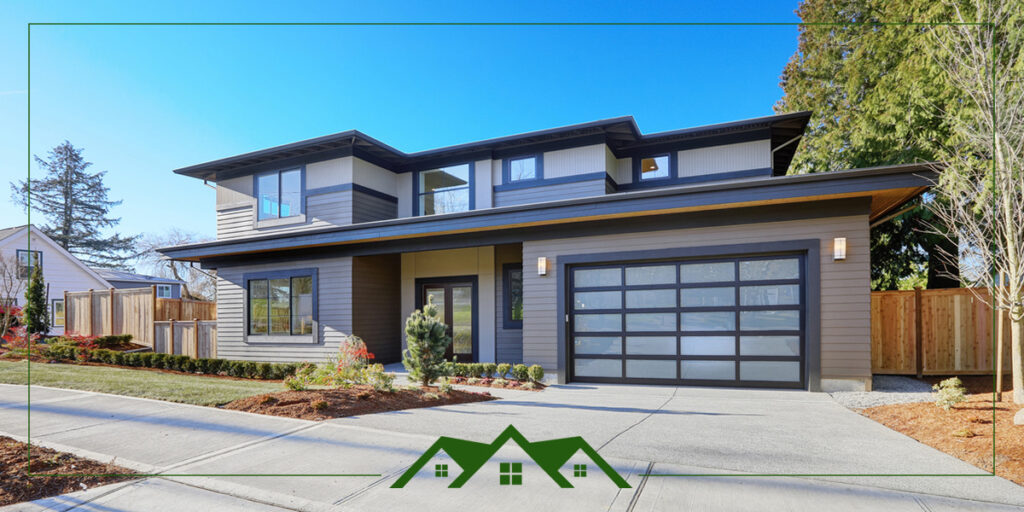
Updating your garage door is like a makeover for your home’s exterior. The design you choose can change how it looks from the street, taking it from outdated to elegant. Beyond the visual appeal, improving curb appeal with a new garage door can help boost your property’s value.
Pennsylvania homeowners want a garage door style that fits their home’s character while delivering an attractive return on investment (ROI). With the state’s diverse mix of historic and contemporary architecture, choosing the right style takes careful thought. What works well on a Georgian estate might look out of place on a mid-century modern ranch.
Feeling overwhelmed with all the choices? Explore the trending garage door styles across the Keystone State, so you can pick one that boosts your home’s value and beauty.
The Most Popular Garage Door Styles for Pennsylvania Homes
PA’s architectural diversity, humid continental climate and distinct communities influence garage door trends. Here are the styles that grace homes in neighborhoods across the state:
Carriage House Garage Doors
Homeowners who appreciate old-world sophistication favor the vintage appeal of carriage house garage doors. They combine the classic aesthetic of authentic swing-out barn doors with modern overhead convenience. These doors pair well with Colonial Revival, Craftsman, Georgian and farmhouse homes.
Carriage house-style doors’ features include:
- Natural finishes: Real wood or faux wood materials create texture and depth.
- Panel details: Diagonal, vertical or crossbuck patterns mimic the authentic barn door look.
- Decorative hardware: Details like wrought iron hinges and handles fit the vintage design.
- Window options: Many carriage doors feature upper-section windows with arched tops or custom grid patterns.
Faux wood composite is a trending material for carriage house garage doors in Pennsylvania. The wood overlay provides authenticity, while the insulated steel construction handles the region’s mix of humid summers and icy winters.
Traditional Raised Panel Garage Doors
With almost half of all U.S. housing stock dating back to 1980 or earlier, classic architecture defines many neighborhoods. That’s why the traditional raised panel design is one of the most popular garage door styles in Lancaster, PA, and other established communities. Symmetrical raised rectangular panels, decorative moldings and natural materials create a timeless appeal.
While traditional garage doors suit most architectures, they shine on Colonial, Craftsman, Tudor revival and Colonial revival properties. Their understated elegance enhances homes without dominating the facade.
Color selection matters with these doors. Classic white remains a top choice, while earthy browns and neutrals blend with natural surroundings. Soft pastels can add personality.
Modern Garage Doors
Contemporary PA homeowners favor garage doors with clean lines, sleek materials and uncluttered design. These doors complement architectural details instead of overpowering them. Minimalism continues to rank as a top garage door trend.
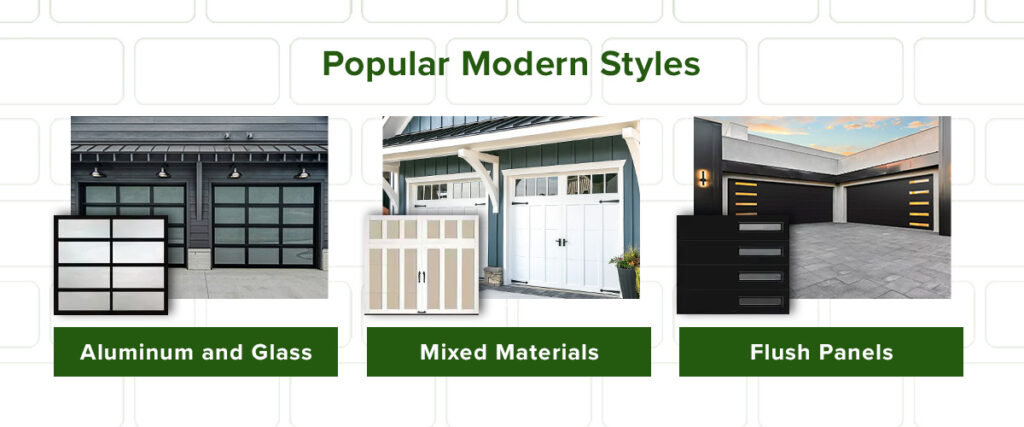
Popular modern styles include:
- Aluminum and glass: Modern can be dramatic. The combination of sleek metal frames and expansive glass panels creates a striking focal point. These designs let natural light in during the day while creating an appealing glow at night. An indoor-outdoor connection makes garages feel open and spacious.
- Mixed materials: Contrasting warm wood with cool steel accents gives traditional materials a modern twist. Style-savvy homeowners use this technique to coordinate exterior elements, giving their home a cohesive look.
- Flush panels: Smooth horizontal or vertical flush panels define this style. They offer a streamlined appearance that draws the eye to subtle details like windows as a design feature.
If you have a mid-century modern, minimalist, contemporary or modern farmhouse home, this style of garage door could be ideal.
Real and Faux-Wood Garage Doors
Real wood garage doors offer warmth, natural beauty and distinctive character. They remain a popular choice for residents across PA for their rustic appeal that suits a range of architectures. A wood garage door looks as good on a cottage-style bungalow as it does on a Colonial townhouse. Eco-conscious buyers also appreciate the sustainability of real wood.
Faux-wood doors have gained popularity across PA. They offer the look of real wood with fewer maintenance requirements. Moisture-resistant composite overlay tops a tough steel core, balancing aesthetics with practical performance. Composite resists rotting, warping and cracking, helping it withstand the state’s variable climate.
How Trending Garage Door Styles Can Increase Your Home Value in Pennsylvania
Garage door replacements consistently rank as the top-ROI home improvement project for good reason. Homeowners in the mid-Atlantic region can recoup up to 336.6% at resale. Upgrading your garage door is a powerful and cost-effective way to boost property value.
Outdated garage doors can undermine buyer perception before they even step inside. When there’s a mismatch between your home’s architecture and garage door style, it can throw off the entire exterior.
Here’s how specific styles influence perceived value:
- Carriage house styles: These doors look most at home in suburban neighborhoods or historic districts. The timeless aesthetic appeals to buyers seeking character and sophistication, which could influence what they’re willing to pay.
- Modern garage doors: The sleek design of these doors may resonate with younger or minimalist-minded buyers. They make the property appear updated and design-focused. Contemporary doors also often feature fewer ornate details that need more frequent replacement. Their simplicity is a plus for those seeking a lower-maintenance new home.
- Traditional raised panel doors: Classic symmetry and refined appearance signal quality craftsmanship to potential buyers. Traditional-style doors appeal to a wider range of people than more niche designs. This versatility is a selling point and may help your home sell faster or command higher offers in the future.
- Wood or faux-wood designs: Natural tones, unique grains and characteristic warmth suggest handcrafted quality throughout the home. These styles can enhance curb appeal in established neighborhoods where high-end aesthetics matter to potential buyers.
- Striking glass and aluminum styles: Since your garage door takes up a significant portion of your home’s exterior, a dramatic style could catch a potential buyer’s eye. The striking architectural statement elevates the entire facade. Homeowners who value indoor-outdoor connectivity or want the garage to double as a lifestyle feature may be drawn to this style.
Besides style, a new garage door increases home value in other ways. An insulated door constructed from quality materials improves security, energy efficiency and convenience. It also tends to last longer, sparing a new owner the cost of an early replacement. These benefits are attractive selling points when the time comes to sell your home.
Find the Perfect Garage Door Style for Your Pennsylvania Home
Choosing a garage door style that enhances your home’s appearance and value is easier when you work with local experts. Cornwell Door Service has been serving South Central PA since 1972. Our team can guide you through the best garage door styles in Harrisburg, Lancaster, Lebanon, Carlisle and the surrounding areas.
With a wide selection of Clopay® residential garage doors, you’re sure to find your favorite design. Our garage door services also help protect your investment with expert installation, proactive maintenance and reliable repairs.
Give your home a style and value update. Contact us to discuss your needs or request a free estimate for a new garage door.
Spring Garage Door Maintenance: Professional Checklist After Winter’s Toll
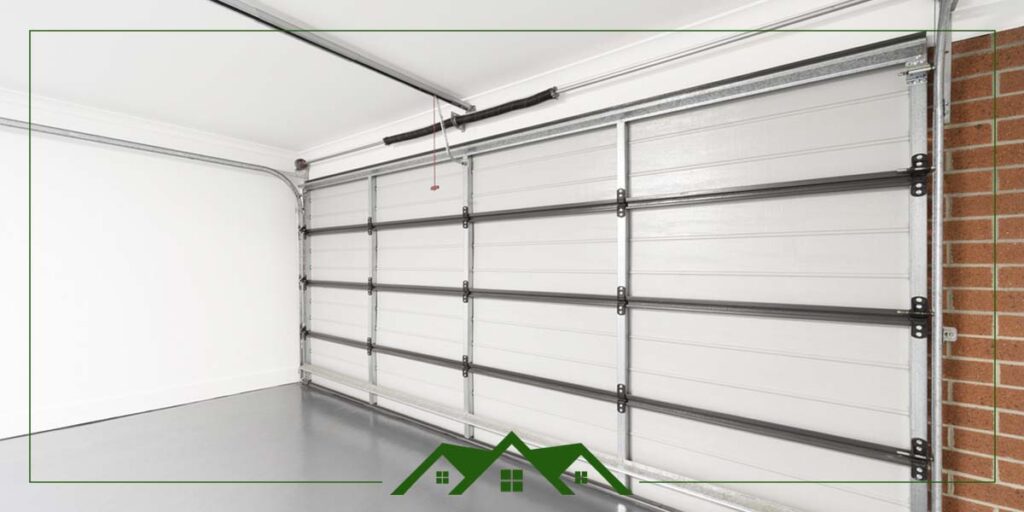
Spring has arrived in Pennsylvania, bringing the annual urge to refresh your home. You’re ready to tackle yard work, clean gutters and check your HVAC system. But there’s one critical home maintenance task that often gets overlooked: your garage door.
Your garage door is your home’s largest moving appliance, and it just endured months of harsh winter conditions. Ice buildup, road salt and freezing temperatures took their toll on springs, cables and rollers. Winter weather causes wear and tear that’s worth addressing to keep your door running smoothly and safely.
A thorough inspection helps you catch small issues early and keep your garage door performing reliably all year. Use this checklist to learn how to maintain your garage door after winter’s wear and tear, help you spot areas that need attention and determine when to call an expert.
Why Your Garage Door Needs a Post-Winter Checkup
Winter is tough on garage doors. Between December and March, your door faces environmental stressors that can affect its performance and longevity.
Road salt contributes to corrosion on metal components like springs, hinges and tracks. Freeze-thaw cycles weaken metal parts through repeated expansion and contraction. Moisture can work into seals and weatherstripping, which may lead to rust. Debris accumulates in tracks, making rollers work harder with every cycle.
A spring checkup is a smart preventive measure that delivers three major benefits for garage door upkeep:
- Extend its lifespan: Addressing corrosion and wear early helps you avoid premature replacement of expensive components.
- Spot potential issues early: A visual inspection reveals areas that need attention before they affect daily operation.
- Prevent functionality issues: Proper seasonal garage door maintenance keeps your door operating smoothly and quietly.
The best way to stay ahead of these issues is with a professional maintenance plan tailored to your door’s needs.
Timeline for Spring Garage Door Maintenance
The ideal timing for your spring garage door maintenance is within 30 days of warmer weather arriving. This window allows you to address winter-related damage before increased spring and summer activity places additional strain on your system.
Why the 30-day window matters: Winter damage compounds over time. A small rust spot can spread. A slightly worn cable can fray further. A minor spring weakness can escalate. Addressing issues within 30 days prevents small problems from becoming expensive repairs.
Mark your calendar for mid-March to early April to schedule your comprehensive spring inspection. This timing gives you the full benefit of preventive maintenance before garage door use increases with warmer weather.
The Ultimate Spring Garage Door Maintenance Checklist
A comprehensive checklist is a key part of a responsible homeowner’s seasonal upkeep routine. Just like your roof or HVAC system, your garage door benefits from seasonal attention.
Maintaining your garage door starts with knowing what to inspect and when to take action. Regular maintenance keeps your system reliable year-round.
1. Start With a Thorough Visual Inspection
Start your garage door spring maintenance by examining all critical components for signs of wear. A careful visual inspection helps you identify problems before they escalate:
What to Check When Inspecting Garage Door Springs
When inspecting garage door springs, check for these critical signs of wear:
- Gaps in coils (indicates signs of breakage)
- Rust or corrosion on the metal surface
- Visible stretching or sagging of the spring
- Spring mounting brackets are secure and properly fastened
Important: If you spot any of these issues, call a professional immediately. Spring repair requires specialized knowledge and tools for safety.
- Cables: Check for fraying, kinks or broken strands.
- Rollers: Inspect for cracks, worn edges or wobbling during operation.
- Tracks: Look for dents, misalignment or debris buildup.
- Hardware: Check that all bolts and brackets are tight and secure.
Safety Features Testing
Your garage door includes several critical safety mechanisms that protect you and your family. Spring maintenance is the perfect time to verify these systems are functioning properly.
Auto-Reverse Mechanism Test
The auto-reverse safety feature stops and reverses your door if it encounters an obstruction while closing. This prevents entrapment injuries and property damage.
- Open the garage door fully using the opener
- Place a 2×4 block of wood on the floor directly in the door’s path
- Close the door using the opener remote or button
- The door should stop immediately when it contacts the wood and reverse back up
- If the door doesn’t reverse, contact a professional immediately
Photo Eye (Sensor) Test
Photo eye sensors create an invisible beam across the bottom of your door opening. If anything breaks this beam while the door is closing, it stops the door to prevent accidents.
- Open the door fully
- With the door closing, wave your hand in front of the photo eye sensor (usually 6 inches above the floor)
- The door should stop immediately when you break the beam
- If the door doesn’t respond, the sensor lens may need cleaning or the sensor may need professional service
These safety tests should be performed at least twice yearly, particularly at the beginning of spring. They’re simple to do but absolutely critical for preventing accidents.
When to Call a Professional Technician
While many maintenance tasks are homeowner-friendly, certain situations require professional expertise and specialized tools. Don’t hesitate to call if you spot any of these issues:
- Springs showing gaps in coils or visible stretching (indicates breakage)
- Frayed or broken cables
- Excessive rust on metal components
- Door moving unevenly or dragging to one side
- Loud grinding, squealing, or popping noises
- Safety reversing mechanism not functioning
- Springs pulling away from mounting brackets
- Any damage from winter storms or accidents
Important: Spring and cable replacement should never be DIY projects. These components are under extreme tension and can cause serious injury if mishandled. Professional technicians have the proper equipment and safety training to perform these critical repairs safely.
The Cost of Skipping Spring Maintenance
Deferred maintenance on garage doors leads to compounding problems and significantly higher repair costs. What starts as minor wear becomes major structural damage when ignored.
Common Expensive Repairs Resulting From Skipped Maintenance
- Spring replacement: $300-$600 per spring (most systems have 2 springs, so $600-$1,200 total)
- Cable and pulley replacement: $200-$400
- Panel replacement: $500-$1,500+ (from unbalanced door operation causing damage)
- Motor/opener replacement: $800-$2,000 (from overwork due to worn parts)
- Emergency service calls: Often charged at 25-50% premium over regular pricing
- Full door replacement: $2,500-$5,000+ (when damage is extensive)
The Math On Preventive Maintenance
A single annual maintenance visit costs $150-$300. A single major repair from deferred maintenance costs $500-$2,000+. The ROI is obvious: annual preventive maintenance saves thousands.
Consider this scenario: A homeowner skips maintenance for 3 years to save $450-$900 in annual visits. When springs finally fail, they pay $1,200 for emergency replacement plus potential additional damage. They would have saved $300-$600 by doing annual maintenance.
Regular spring and component maintenance is one of the highest-ROI home maintenance investments you can make. A small annual investment prevents major expenses down the road.
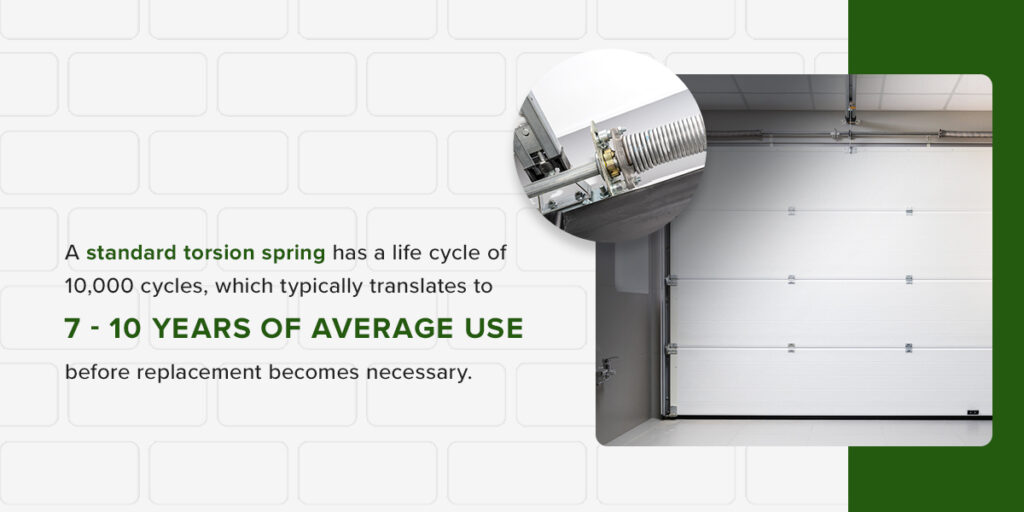
Spring fatigue is a common wear pattern for garage doors. A standard torsion spring has a life cycle of 10,000 cycles, which typically translates to seven to 10 years of average use before replacement becomes necessary. Regular garage door spring maintenance helps you catch wear before it leads to failure.
2. Clean the Door, Tracks and Sensors
Cleaning removes corrosive salt, grime and debris that accumulated over winter. You’ll need mild dish soap, water, a soft cloth and a soft-bristle brush.
Start with a gentle hose rinse from top to bottom. Avoid high-pressure washers, bleach or abrasive cleaners, as they can damage the finish, seals or paint. Wash the panels with soapy water, then rinse thoroughly to remove soap residue.
Once the door panels are clean, focus on the tracks, rollers and sensors:
- Tracks: Remove visible debris with your hands or a brush. Wipe down surfaces with a damp cloth to eliminate salt residue.
- Rollers: Clean the rollers by rotating them and wiping away buildup that can cause friction and noise.
- Sensors: Wipe the lenses with a soft cloth to remove dust and dirt. Remove any obstructions from the sensor path and check that both sensors are aligned properly.
Our seven-point garage door sensor maintenance checklist provides additional guidance for keeping sensors in optimal condition.
3. How to Lubricate a Garage Door
Apply silicone-based or lithium spray lubricant to hinges, rollers, springs, and bearings. Do not lubricate tracks (causes slipping). Wipe away excess.
- Select silicone spray or white lithium lubricant
- Apply to moving parts: hinges, rollers, springs, and bearings
- Skip the tracks entirely (causes slipping and dirt accumulation)
- Wipe away excess lubricant with a clean cloth
If lubrication doesn’t resolve grinding or squeaking sounds, professional garage door noise reduction services can help identify the underlying cause.
4. How to Test Garage Door Balance
- Close the door fully
- Pull the red release cord down (disconnects trolley from opener carriage)
- Verify the door lifts manually without resistance
- Lift the door halfway and release it
- Observe if the door holds its position (balanced) or falls/rises (needs adjustment)
- If door falls or rises, spring tension needs professional adjustment
5. Check the Safety Features
Your garage door’s safety features help protect people and property, and federal law and industry safety standards require them to prevent injuries and accidents.
Test the auto-reverse mechanism by placing a two-by-four or similar object in the door’s path, then close the door using the opener. When the door contacts the object, it should immediately reverse direction. If it hesitates or doesn’t reverse, the force settings need professional adjustment.
Next, test the photo-eye sensors. Open the door fully, then press the close button. While the door is descending, wave an object through the sensor beam near the floor. The door should reverse immediately when the beam is interrupted.
If either safety feature fails these tests, your door needs attention right away. It may be a good opportunity to upgrade to a modern garage door opener with enhanced safety technology. When choosing an opener, look for features like battery backup and smartphone connectivity. Proper sensor alignment is essential for reliable safety feature performance.
When to Call a Professional
While DIY inspections are valuable for garage door upkeep, knowing your limits is essential for safety. Some maintenance tasks are straightforward, while others require specialized training and equipment.
Understanding the difference helps you protect your family and keep your door system in excellent working order.
DIY-Friendly Maintenance Tasks
These basic maintenance activities are safe for most homeowners to handle on their own:
- Cleaning door panels, tracks and sensors
- Lubricating hinges, rollers and springs
- Testing auto-reverse and photo-eye safety features
- Visual inspections for rust, wear and damage
If you need replacement parts like weather seals or new rollers, Cornwell Door can help.
Warning Signs That Require a Professional Technician
Some issues require immediate professional attention.
Call a professional if you notice these signs:
- Broken spring: A visible gap in the spring coils means the spring has snapped and needs replacement.
- Frayed cables: Cables under tension should be handled only by trained technicians.
- Failed balance test: An unbalanced door indicates spring issues that require expert adjustment.
- Failed auto-reverse test: Safety features that don’t work properly need immediate professional attention.
Garage doors are heavy systems with high-tension components. Hiring professionals for annual garage door maintenance helps ensure your system receives proper servicing from trained technicians and helps you prevent bigger problems.
If you have additional questions about servicing garage doors, our FAQ section covers many common concerns homeowners face.
Schedule Your Seasonal Garage Door Maintenance With Cornwell Door Service
A professional spring tune up gives you peace of mind, keeps your family safe and addresses minor issues before they become bigger problems. Schedule your maintenance before problems arise for worry-free garage door performance.
Cornwell Door Service provides comprehensive garage door inspections and maintenance for homeowners throughout South Central Pennsylvania. Our expert technicians will ensure your door is safe, balanced and ready for the season ahead. Schedule your post-winter inspection with our team today.
Unsure about the cost? We provide free, no-obligation estimates. Have more questions? Contact Cornwell Door Service for expert advice.
When DIY Garage Door Sensor Repairs Aren’t Enough
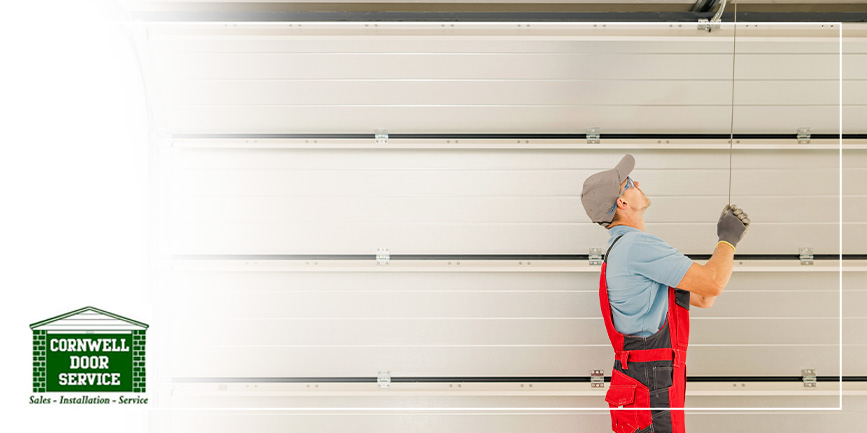
Successfully aligning your garage door sensors using DIY methods can help save costs on professional repairs and restore your door’s functionality. Sometimes, faulty sensors are signs of deeper problems that DIY fixes can’t solve and may even become dangerous. If you’ve tried and failed to resolve the issue yourself, this guide will help you understand the possible reasons why the problem persists and when to opt for professional garage door sensor repair.
How Do I Know If My Garage Door Sensors Are Bad?
When your garage door gives you trouble, several problems could be the cause. Before assuming that your efforts weren’t enough, confirming that the sensors are the problem is important. Here are some of the common indicators of garage door sensor problems:
- The garage door won’t close.
- You must hold down the wall button to force the door to close.
- The LED lights on the sensors are off or blinking.
- The door closes even when there’s an obstruction.
- The door reverses immediately after starting to close.
Signs Your Sensor Problem Is Beyond a DIY Fix
It can be frustrating to still face garage door problems after you’ve tried aligning your sensors and other repairs. However, it usually indicates a more significant issue that requires professional attention. Signs your sensors need more than DIY repairs include:
Sensors Won’t Work After Alignment
If your garage door sensors are not working after alignment, that’s a clear sign that DIY repairs are insufficient. In that case, you could be dealing with several issues, like:
- Loose or disconnected wires: Sensor wires can loosen or disconnect over time and, causing sensor issues. Inspect your wiring to determine if this is the cause.
- Misaligned sensor beams: Even when your sensors are aligned, a slight angle shift can disrupt the beam’s path and prevent them from communicating properly.
- Malfunctioning opener: A faulty garage door opener can interfere with the sensors’ operation even when correctly aligned.
- Sunlight interference: Sunlight can cause garage door sensors to malfunction because the sun’s strong infrared light can interfere with the sensors’ own infrared beam.
- Loose mounting brackets: The brackets holding the sensors can loosen or shift over time from garage door vibrations, causing the sensors to malfunction.
Wiring Issues
You should carefully examine the wires from the sensors to the garage door opener for breaks, fraying or corrosion. Damaged wires create an intermittent or broken electrical connection, which causes the sensors to lose power occasionally or all at once. When wiring is damaged, you’ll need professional garage door sensor repair to restore functionality.
Damaged Sensors
Another serious issue you could be facing is physical damage to the sensor itself. Sensors can degrade over time and fail to work as intended. Sometimes, your sensors can sustain damage from impact from your car, bicycle or lawnmower. The sensor can have cracks or deep scratches on the lens that can block or scatter the infrared beam, preventing the receiving sensor from getting a clear signal. No amount of alignment can fix a beam that is physically obstructed at its source.
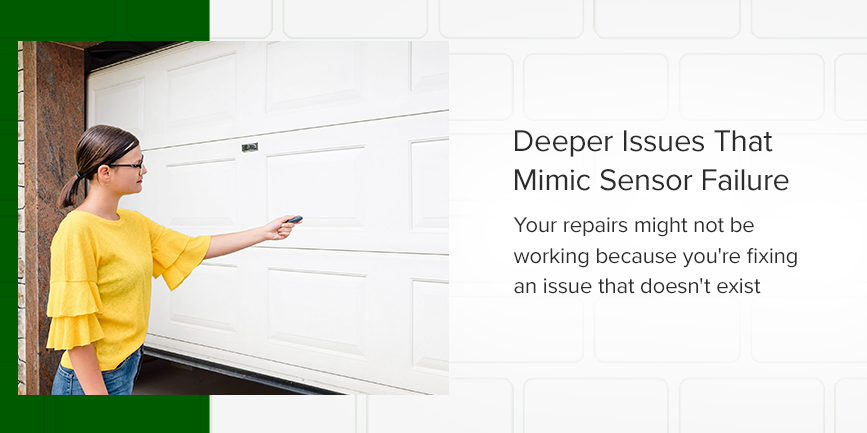
Deeper Issues That Mimic Sensor Failure
In certain instances, your repairs might not be working because you’re fixing an issue that doesn’t exist. Several garage door problems can sometimes showcase common sensor misalignment symptoms, leading to inaccurate diagnoses and ineffective solutions. Those issues include:
Faulty Logic Board
A logic board acts as the brain of a garage door system. It controls all motor functions and interprets commands from remotes, wall switches and safety sensors to make your doors open or close.
A faulty logic board may fail to power the sensor LEDs, preventing them from lighting up. It also might process sensor signals incorrectly. As a result, your garage door could showcase signs that can be mistaken for a problem with the safety sensors themselves.
Incorrect Wire Splicing
You might have a bad splice if you’ve performed previous garage door sensor repair involving wiring or the garage door wasn’t installed properly. Incorrect splicing often causes the safety sensors to fail temporarily, making the garage door stop or reverse. It can also cause blinking light error codes due to signal loss or prevent the door from closing. Because of these issues, it’s common for incorrect wire splicing to be diagnosed as sensor misalignment.
Power Supply Problems
A tripped circuit breaker, a faulty outlet or other power supply issues could be the reason your garage door sensors are not working after alignment. When your sensors fail to receive enough power, they can lose LED lights and their ability to transmit signals, causing your garage door to fail to open or close. That’s why checking your power supply is crucial whenever you have sensor problems.
The Risks of an Improper Garage Door Sensor Repair
Handling garage door sensor repairs yourself can be tempting. Unless you are an experienced technician, your repair efforts can easily go wrong. Some of the main risks of improper repair include:
- Incorrect diagnosis: The sensors might not be the real problem. If you’re untrained, you may misdiagnose the issue when the true cause could be a problem with the wiring, opener or the logic board.
- Safety hazards: Garage doors are heavy and operate under high tension. Handling these parts without proper training can lead to severe injuries, including being crushed or trapped by the door. Additionally, working with electrical components, like wiring or openers, carries a risk of electrical shock if you are not cautious or experienced.
- Further damage: Using incorrect tools or techniques can cause additional damage to wiring, hardware or the door itself. A DIY repair can even introduce new problems or complicate the existing issue.
- Expensive repairs: Poorly executed garage door sensor repair can worsen the issue and lead to damage that requires more costly fixes or replacement.
- Security vulnerabilities: If your repairs fail, you will still have a malfunctioning door, exposing your home or business to potential security threats.
Instead of risking injury or costly repairs, choose professional garage door sensor repair services to ensure safe and effective solutions.
Choose Us for Expert Garage Door Sensor Repair in Harrisburg, PA, and Beyond
If your garage door sensor issues require more than basic alignment, Cornwell Door Service can help. We provide reliable garage sensor repair in Lancaster, PA, and surrounding areas. Since 1972, we’ve been dedicated to helping homeowners and businesses throughout the area maintain their garage doors’ functionality, safety and beauty.
Our highly trained technicians are skilled at accurately diagnosing and repairing garage door sensors with lasting solutions. When your DIY efforts aren’t enough, you can trust our team for professional assistance. Schedule a garage door inspection with us today, and we’ll help get your system running as intended.
Preventing Garage Door Break-Ins
Burglars don’t just look for open doors and loose windows around your house. A rapid method of entry that’s becoming more common is prying into garage doors. Whether it’s a personal home or a business warehouse, garage door security is often lacking — and people intent on stealing know it.
Do you know how to make a garage door more secure? No matter how safe your neighborhood or community might seem, everyone should how to prevent garage door break-ins and increase the security of their home. There are some tips and methods you can use to learn how to secure your garage door from burglars and keep your valuables — and your family — safe.
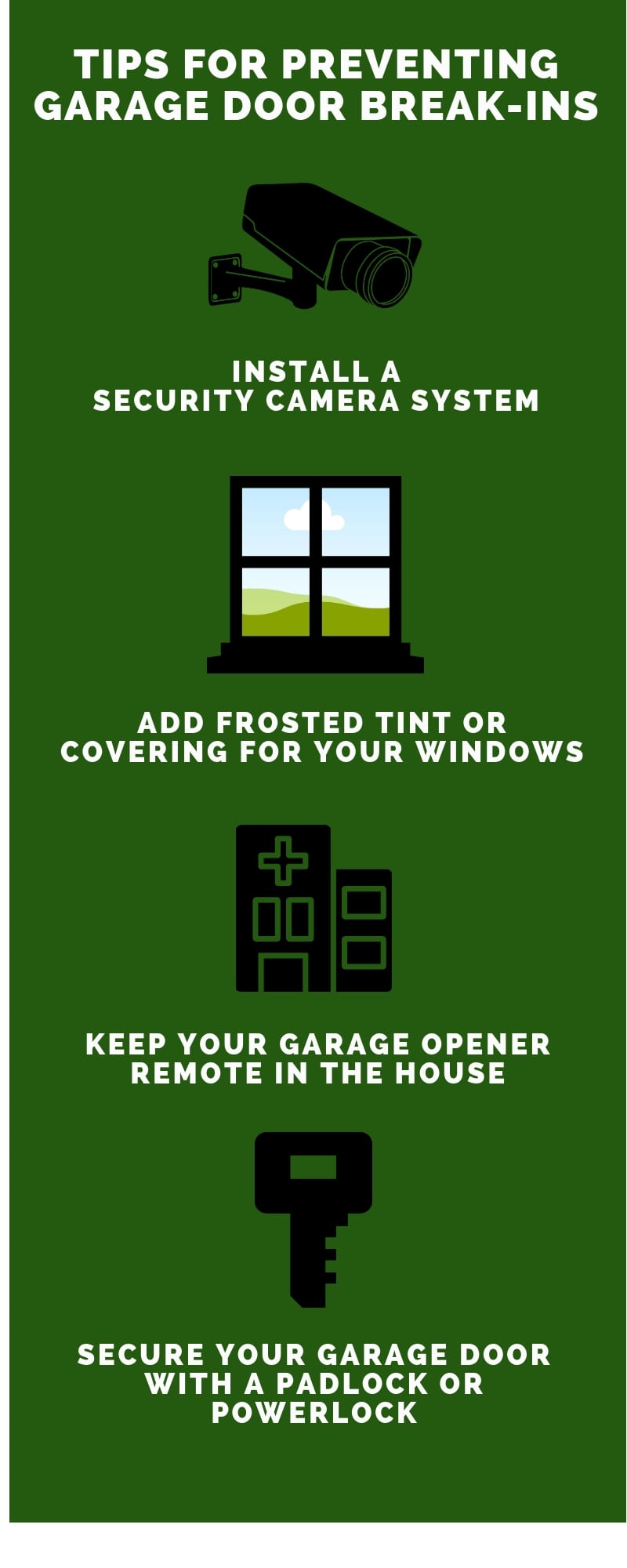
Install a Security Camera System
One of the best things you can invest in is a security system for your home or building. The presence of a visible camera will deter many people away from trespassing on your property. Installing an additional alarm can create another threshold of protection, scaring the trespasser and alerting you, your neighbors and even the police.
There are also some systems that can link to your phone, sending you notifications and real-time playback if your camera picks up any unusual activity. These types of home video streams are becoming increasingly popular for front doors, but you can also use them to prevent garage door break-ins as well!
Frosted Windows for Your Garage Door
If you want the ultimate protection for your garage, having no windows for passersby to peer into and look at what’s hiding behind your garage doors will keep your belongings secure. However, windows can provide natural lighting for inside your garage and create an aesthetically pleasing appearance that helps spruce up curb appeal of your home.
Wherever possible, add a frosted tint or covering for your windows. This will prevent burglars from sneaking a peek inside your garage, help keep your valuables out of view and deter anyone trying to be savvy by using a coat hanger to open your garage door. Frosted windows provide you with garage door security by distorting the interior view of your garage from the outside. You can even apply some coverings from the indoors, which allows you to secure a garage door from the inside.
Garage Door Opener Remote
Many people use their garage as the main entry point into their homes. To be convenient, homeowners will keep a remote garage door opener in their cars so they can open up their doors as they approach the house. But what many people tend to forget is that, if parked outside, your remote can be within clear sight of anyone looking to trespass.
Quality residential garage doors and openers today may come with security features that help keep your garage door secure. It would be much easier for a trespasser to retrieve the door opener from your car than to bust in through the garage door. By bringing your remote inside with you, you are securing your garage door an extra step by removing another access point for a potential burglar!
LiftMaster® Power Lock
Securing your garage door, especially commercial garage doors, with a padlock or power lock can give you extra protection against potential break-ins. Whether you’re using a padlock with a key or an automatic power lock like the ones LiftMaster® carries, you can keep your garage door latched to the ground when your business closes for the night or you’re away on vacation.
As a certified dealer of LiftMaster® products, Cornwell Door Service can provide you with additional information to ensure your garage door is fully secure. Visit our showroom or request an estimate today to see what we can do to help prevent garage door break-ins, or call us at 717-273-9841!